Software Engineering (B.Sc.)
Engineers build the digital world we live in. In our Bachelor of Science in Software Engineering, you learn to solve complex problems with reliable software systems and turn your ideas into working applications.
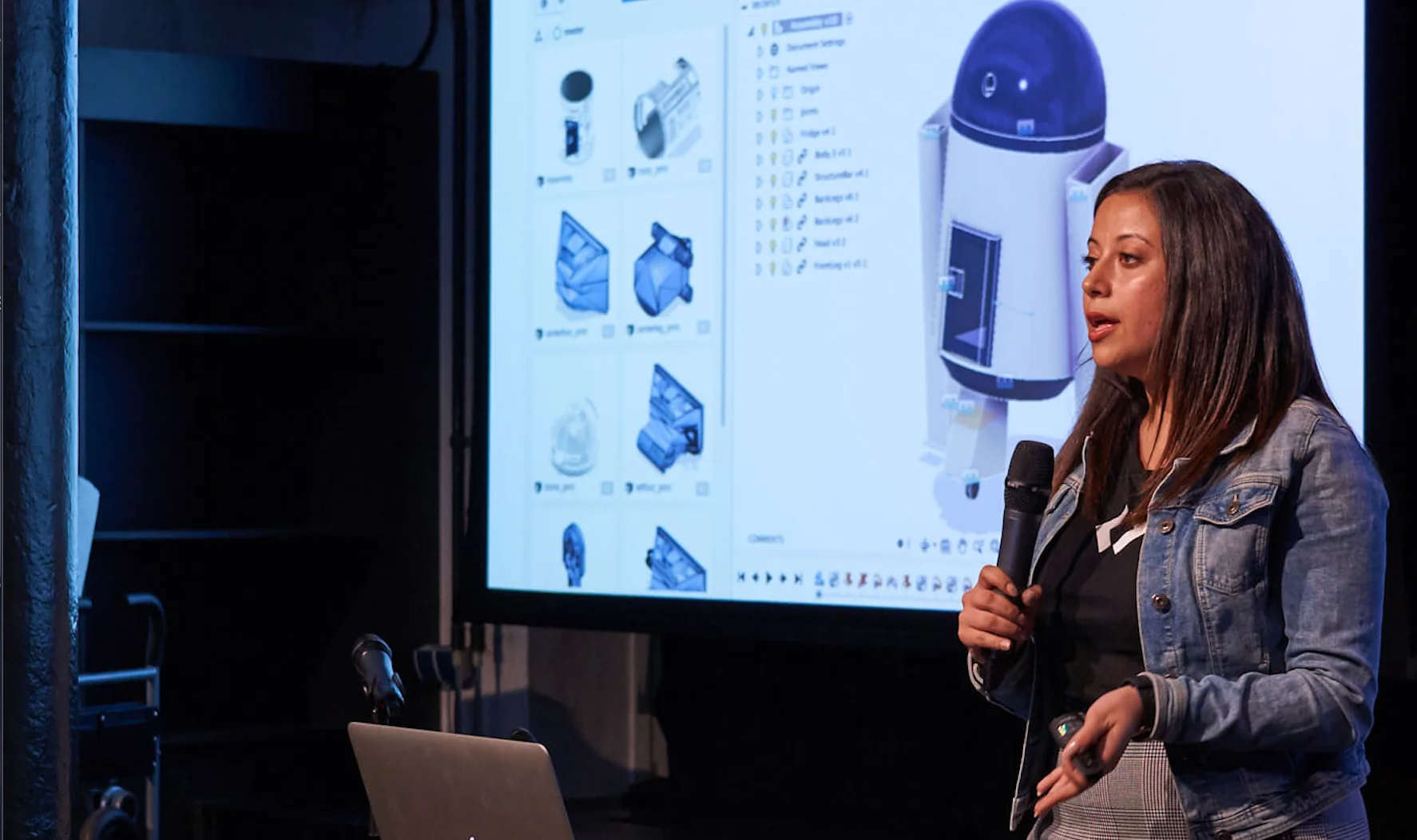

In this program, you learn software development and modern technologies hands-on, so you can confidently build complex software. You gain the skills you need to succeed in the tech industry and turn your ideas into reality.

Current application deadlines
Contact admissions
Language
English
Location
Berlin (on-site)
Duration
3 years (6 semesters)
Degree
Bachelor of Science (B.Sc.)
Tuition per month
€1,350, or €700 with Stretch Pay Tuition per year
€16,200, or €8,400 with Stretch Pay Stretch Pay
Pay over 6 years instead of 3
Why study Software Engineering?
Software Engineering is much more than coding: it’s the systematic application of engineering principles to the development of complex software systems. Graduates of this program know how to handle complex requirements through careful software architecture design, structured programming, and established best practices.
This makes our graduates highly sought after in the fast-growing IT market.
What the program covers
Here’s an overview of the areas you’ll work in during your Software Engineering studies at CODE. You design your own study path and decide which ideas you want to realize in your projects, from digital interfaces to apps. Let your curiosity guide you. These are some of the modules we offer.

Algorithms and Data Structures
Learn the foundations of computer science: how to organize, manipulate, and retrieve data efficiently, and which problem-solving strategies improve computational performance.

Cyber Security
Learn how to protect digital assets: identify threats, manage risks, and implement security protocols that keep information systems safe.

Machine Learning
Find out how machines learn from data, and develop models that predict outcomes, recognize patterns, and improve decisions through experience.

Digital Fabrication
Work where design meets technology, and learn how to turn digital models into physical objects with tools like 3D printers and CNC machines.

Data Science
Explore the fundamentals of data science, including data collection, processing, and analysis. Learn to apply statistical methods and machine learning techniques to extract insights and solve real-world problems.

Databases
Learn all about storing, managing, updating, and searching data in a machine-aggregable and comparable format.

Clean Code
Learn to write code that can adapt to changing requirements without becoming disorganized, and improve the quality of your code.

Web Technologies Basics
Learn the basics of the web, including HTML, CSS, and JavaScript, and build dynamic, responsive websites that are easy to use.
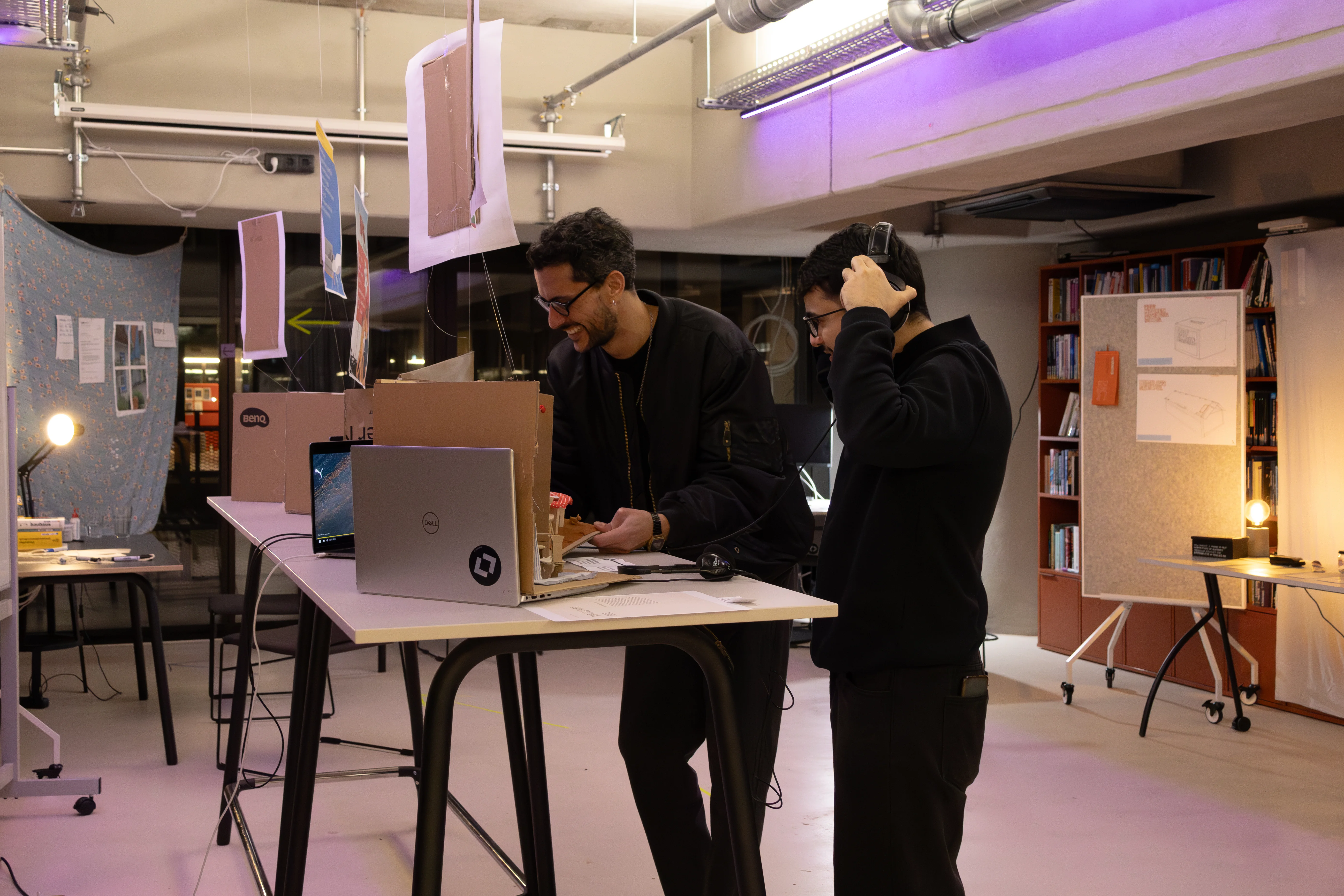
How does generative artificial intelligence change the field of Software Engineering?
Generative AI is already proving to be a useful tool in Software Engineering when it comes to basic tasks such as programming and documentation writing. We expect this trend to continue as the quality of generative models improves. We want budding software engineers to learn how to augment themselves with these tools to be able to build what they want to build even quicker.
These tasks are only a small part of the work of a Software Engineer. We believe that, for the foreseeable future, complex software systems will require humans in the loop to be responsible for ensuring that the developed software system adheres to its specifications and to good engineering principles, such as efficiency, security, or maintainability.
These topics have always been a central part of our curriculum, and we expect them to become even more important with increased automation.
Join our next Online Info Session to learn more about our study programs!
Specializations
Our program allows students to tailor their degree to specific areas of interest or explore a range of topics within the field. We have some suggested study paths that you can take to specialize in one of the fields below.



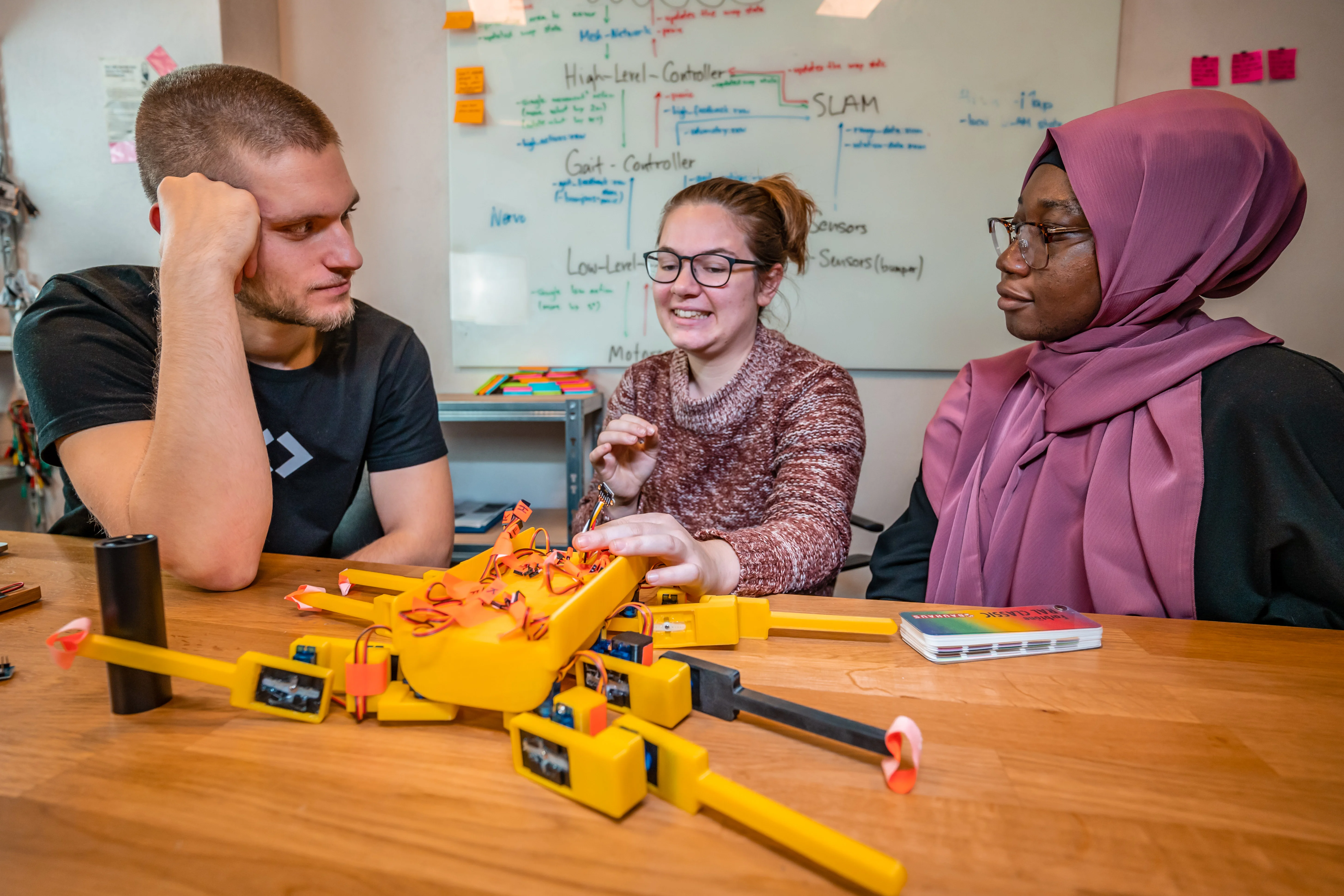

The function of good software is to make the complex appear to be simple.
Learning approach
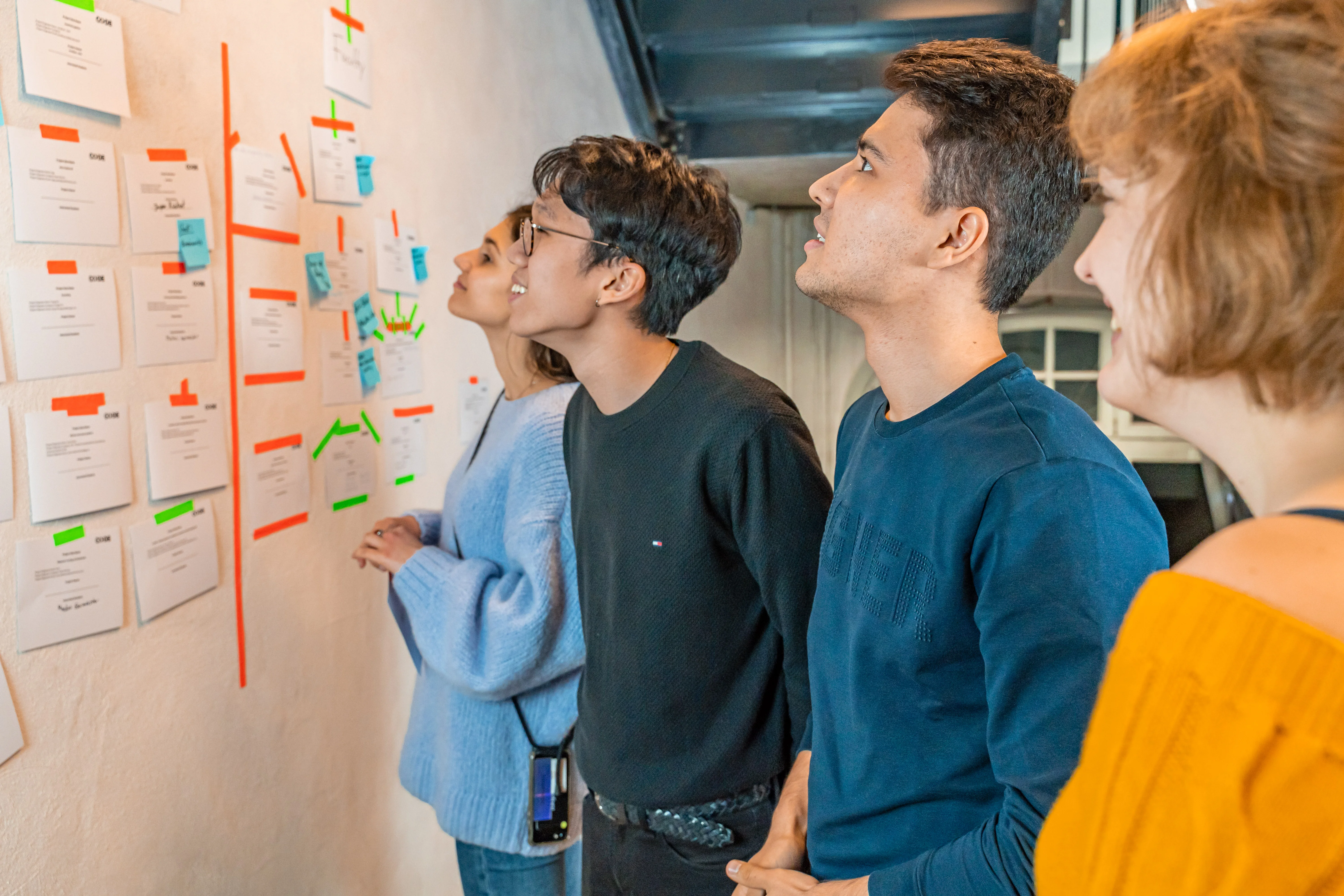
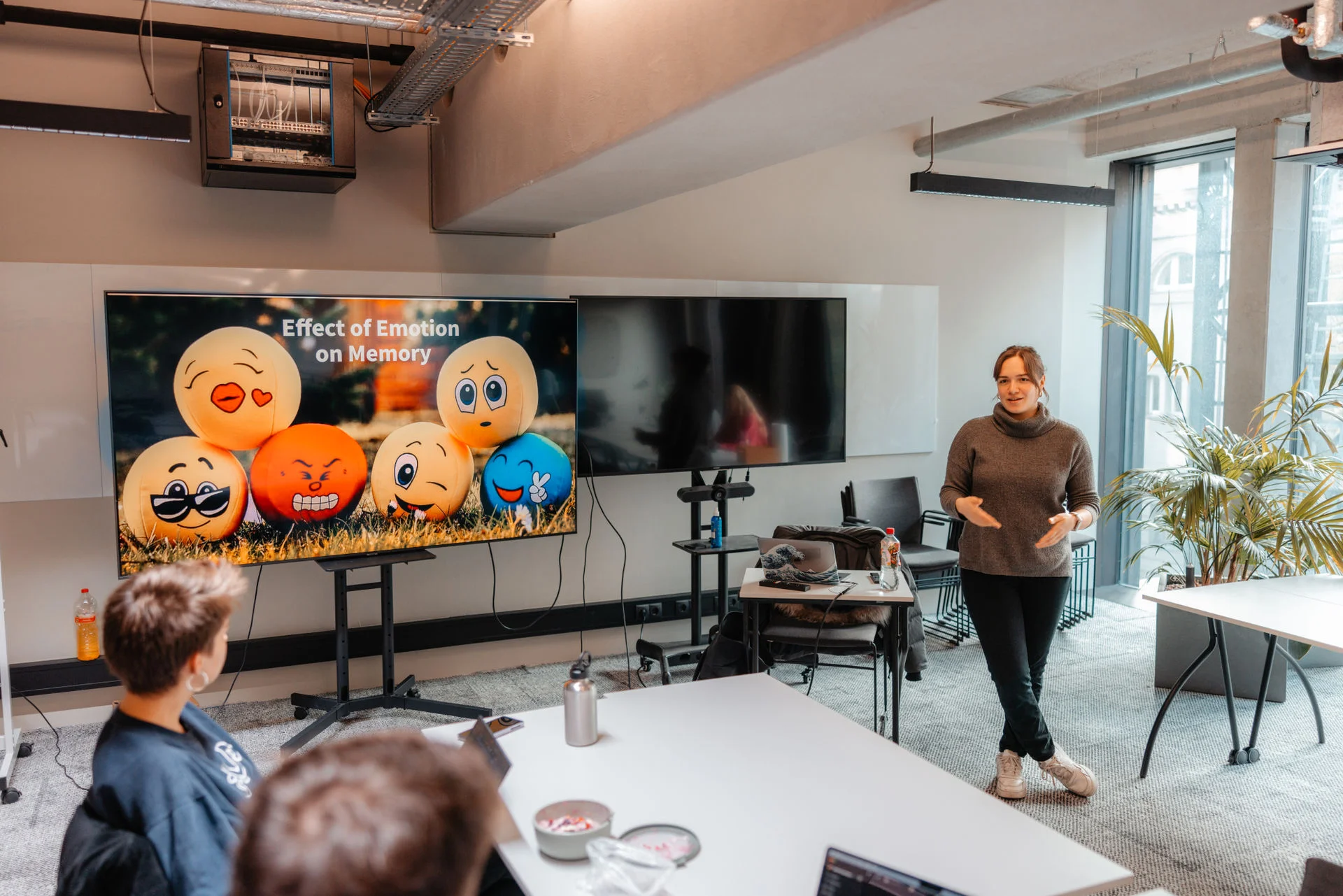
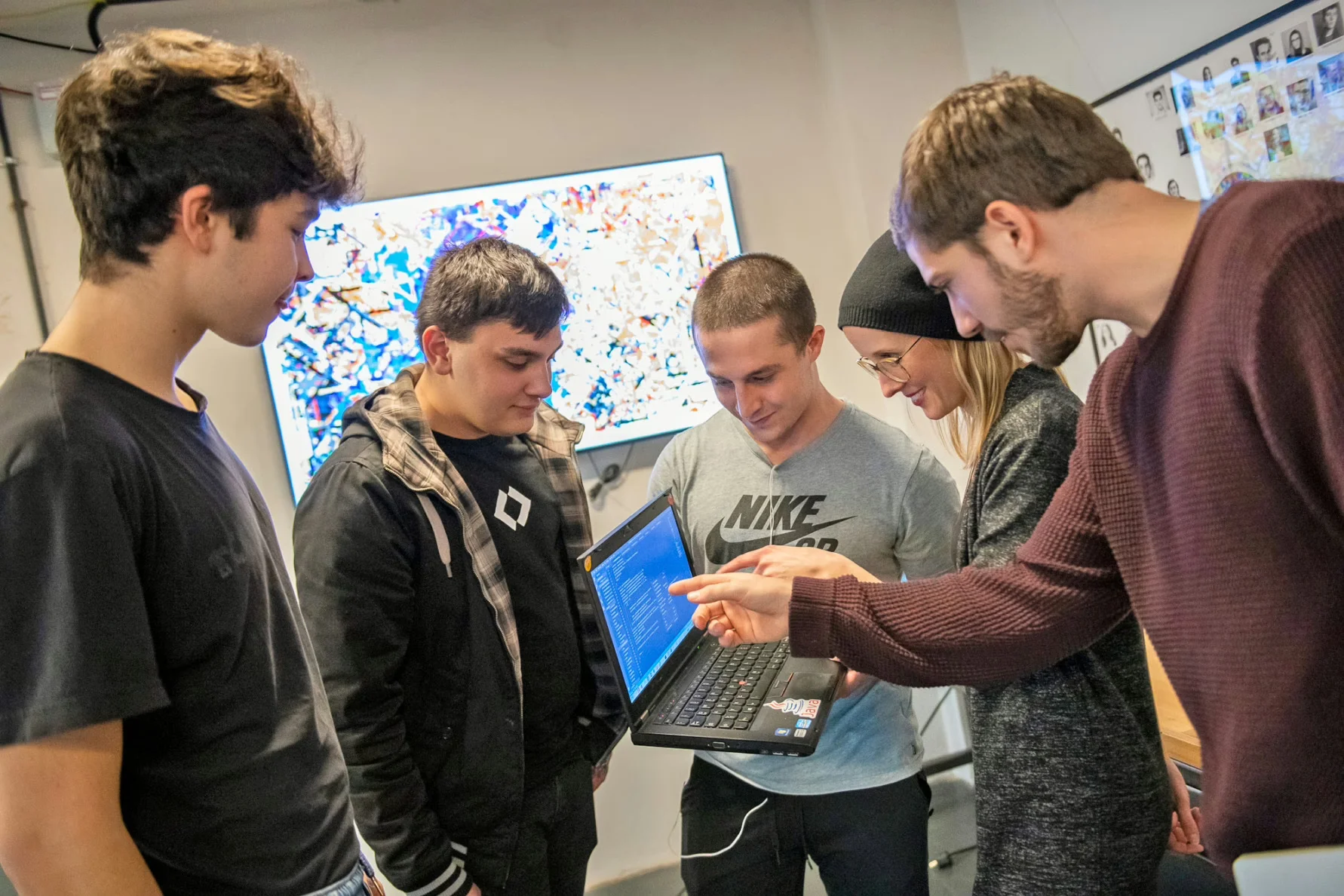
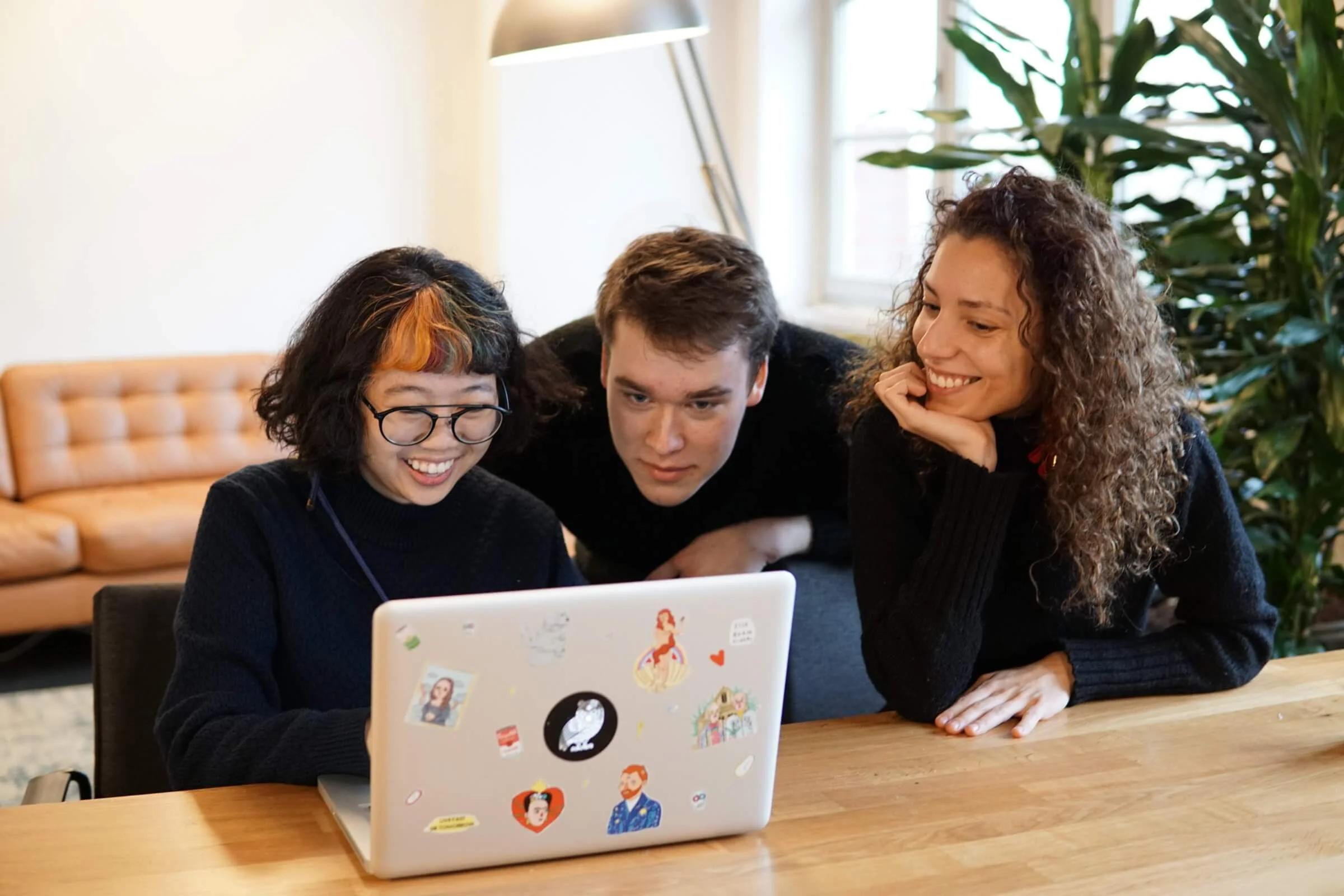
At CODE, you learn by doing. Here are some of the formats we use in teaching and learning to support this hands-on approach.



Code is like humor. When you have to explain it, it’s bad.
Students and alumni from Software Engineering
Meet some of the students who studied in or graduated from the Software Engineering program at CODE.


















CODE gave me so many opportunities to explore myself and what I want to do in life. The fact that was not bound to a study program that I had to strictly follow was the key for me to join the university.
Meet your Software Engineering faculty
The Software Engineering program is coordinated and taught by professors and lecturers who have decades of experience in their respective fields and specializations.





Career paths
A degree in Software Engineering opens up many career paths in the tech and creative industries. Typical roles include:
- Junior or Senior Software Engineer
- Backend Engineer
- Frontend Engineer
- Director of Engineering
- Chief Technology Officer (CTO)
Want to be your own boss?
CODE is built for entrepreneurs and future founders. Our Learning Concept and network of partners give you the support you need to build your own company.


Admission requirements
At CODE, we want to attract the most talented and passionate students, so our admission process challenges your drive and curiosity. Let us get to know you through your written application and learn more about CODE during your Admission Day. What are you waiting for?
Frequently asked questions
Study & Examination Regulations
View the official study and examination regulations for Software Engineering.
Get additional information
If you’re interested in learning more about this program, fill out the form and we will send you additional information.
For more information, you can reach out to our admissions team at admissions@code.berlin


For more information, you can reach out to our admissions team at admissions@code.berlin
Explore further
Learn more about our study programs and the experience of studying at CODE.

Applications are open!
Register and apply for a chance to join the next generation of CODE students.